Discover Romania's Natural Wonders
Exploring and preserving the rich biodiversity of Romania's diverse ecosystems - from the Carpathian forests to the Danube Delta. Join us on a journey through one of Europe's most pristine natural landscapes.
About EcoRomania
Dedicated to studying, documenting, and preserving Romania's unique ecological heritage.
Our Mission
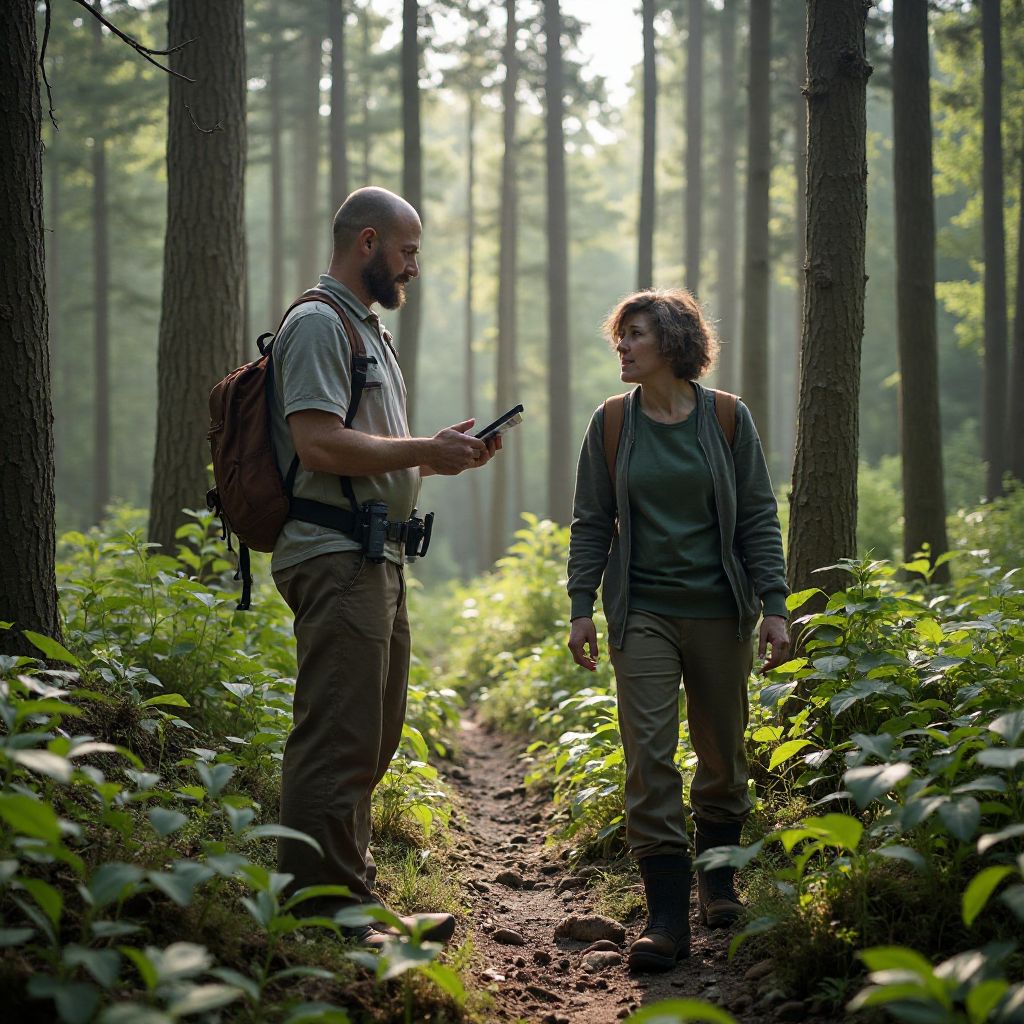
EcoRomania is committed to comprehensive ecological research and conservation efforts across Romania's diverse natural habitats. We combine scientific expertise with a passion for preserving biodiversity, employing cutting-edge methodologies to study ecosystems from the Carpathian Mountains to the Danube Delta.
Our dedicated team of researchers, conservationists, and educators works tirelessly to document Romania's rich flora and fauna, identify emerging environmental challenges, and develop sustainable conservation strategies. By collaborating with local communities, government agencies, and international partners, we aim to create a harmonious balance between human development and ecological preservation.
Through our research, education programs, and conservation initiatives, we strive to ensure that Romania's natural heritage remains vibrant and accessible for generations to come.
Learn more about our historyWhy Choose EcoRomania
What makes our ecological research and conservation efforts stand out in Romania's environmental landscape.
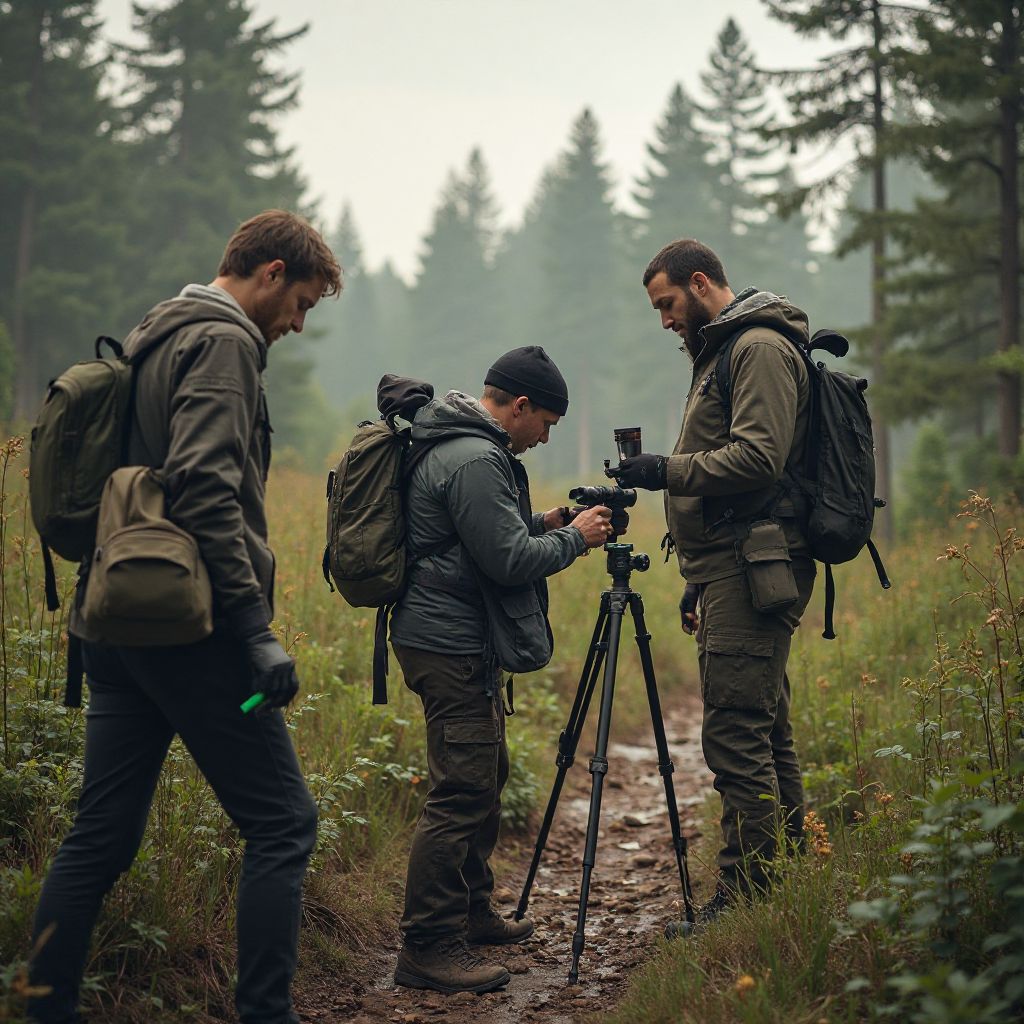
Expert Knowledge
Our team consists of leading ecologists, biologists, and environmental scientists with extensive experience in Romanian ecosystems. Each researcher brings specialized knowledge of local biodiversity, enabling us to conduct thorough and accurate ecological assessments across diverse habitats throughout the country.
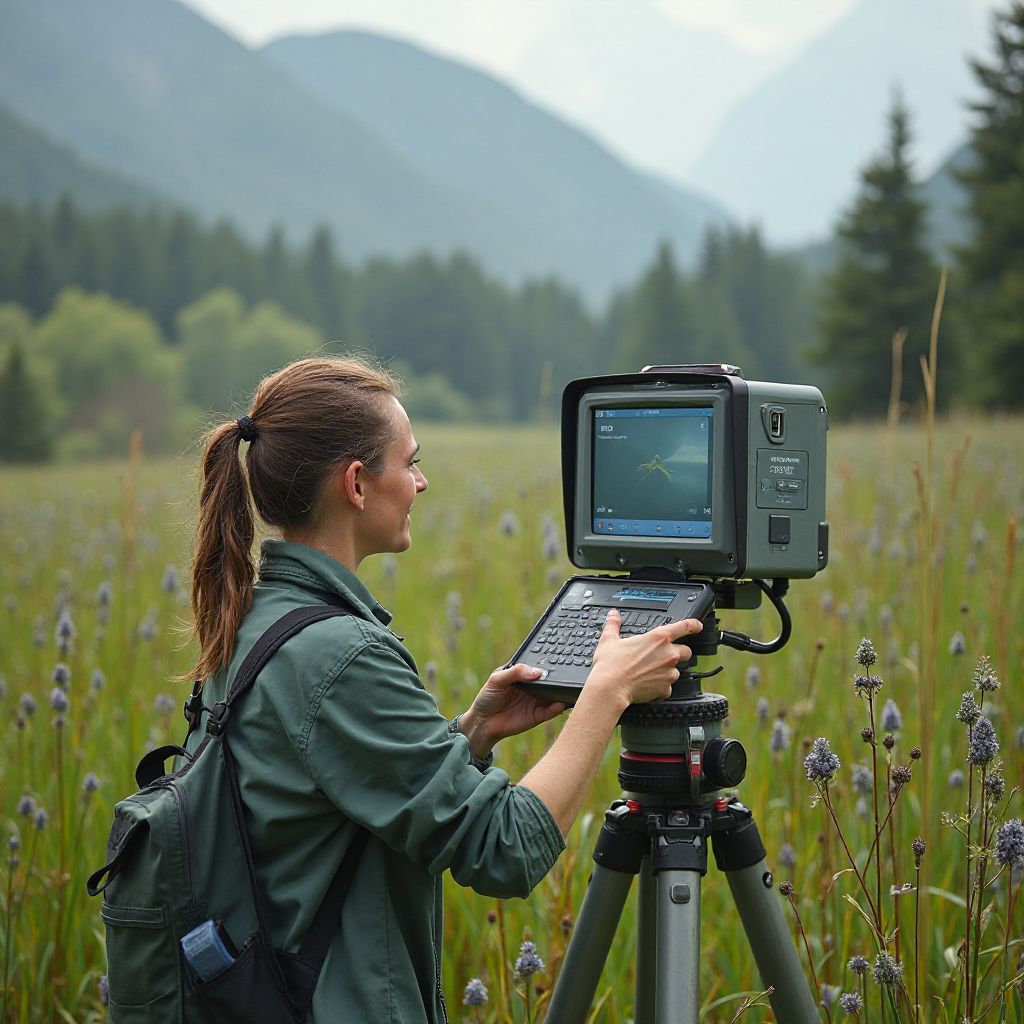
Cutting-edge Technology
We utilize the latest environmental monitoring technologies and analytical tools to gather precise data on Romanian ecosystems. From DNA barcoding for species identification to satellite tracking of wildlife migration patterns, our advanced methodologies provide comprehensive insights into ecological dynamics and environmental changes.
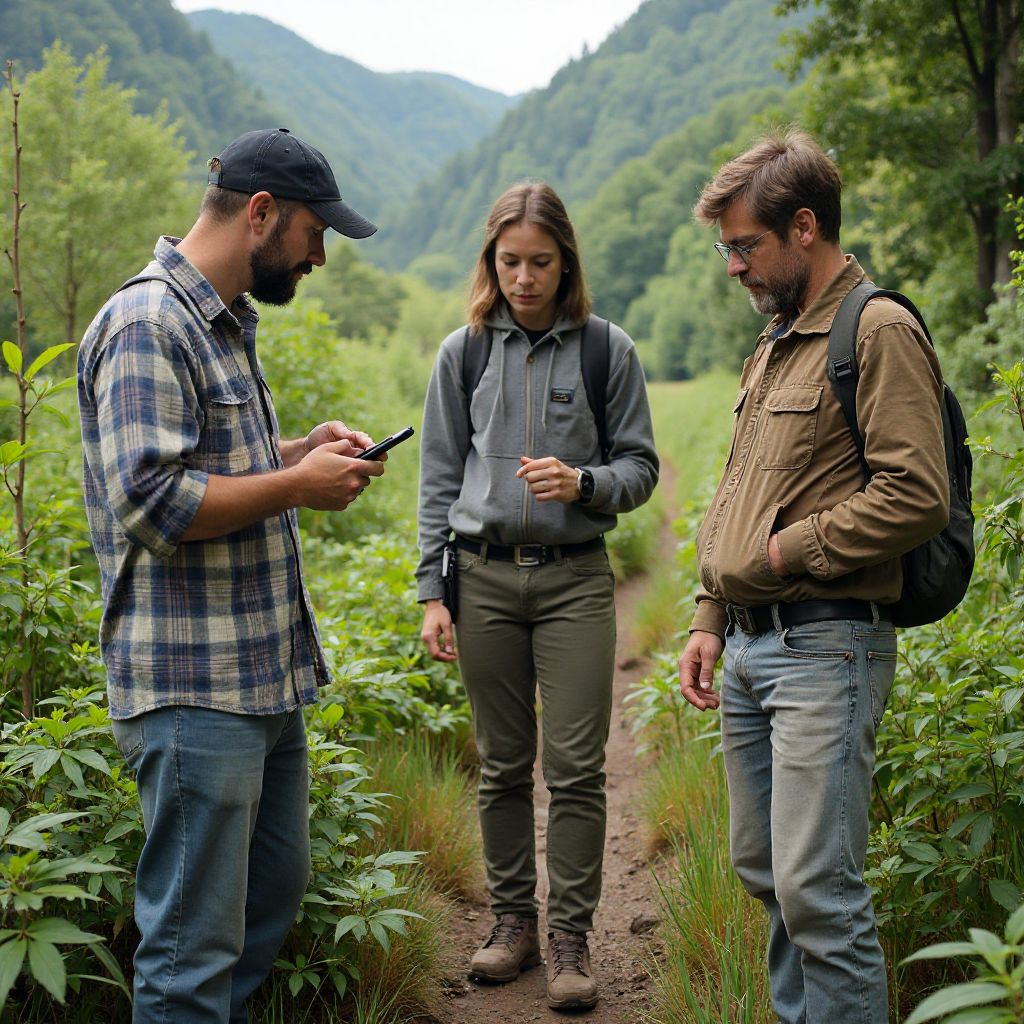
Community Collaboration
We believe sustainable conservation must involve local communities. Our projects actively engage Romanian citizens through educational initiatives, citizen science programs, and collaborative conservation efforts. This approach ensures that ecological knowledge is shared widely and that conservation strategies are culturally appropriate and socially sustainable.
Research & Analysis
Exploring Romania's diverse ecosystems through rigorous scientific investigation and innovative methodologies.
Our Research Focus Areas
Carpathian Forest Ecosystems
Our comprehensive studies of Romania's Carpathian forests examine biodiversity patterns, ecosystem functions, and the impacts of climate change. We monitor threatened species like the European brown bear, Eurasian lynx, and numerous endemic plant species to inform conservation strategies and habitat protection initiatives.
Danube Delta Wetlands
As Europe's second-largest wetland, the Danube Delta requires specialized research approaches. Our team conducts water quality monitoring, bird migration studies, and assessments of the delta's response to environmental changes. This UNESCO World Heritage site hosts over 300 bird species and unique aquatic ecosystems that our research helps protect.
Agricultural Landscape Ecology
Romania's traditional agricultural practices have created unique semi-natural habitats with high biodiversity. Our research examines how these traditional farming methods support ecological diversity and how modern agricultural transitions affect these delicate ecosystems. We develop strategies for sustainable land management that balances productivity with conservation.
Research Methodology
At EcoRomania, we employ rigorous scientific methodologies to ensure our research produces reliable and actionable insights. Our multidisciplinary approach combines traditional field techniques with modern technological solutions:
- 1 Field Surveys and Monitoring: Regular biodiversity assessments across diverse Romanian habitats, employing standardized sampling protocols to track species populations and ecosystem health over time.
- 2 Genetic Analysis: DNA barcoding and environmental DNA (eDNA) sampling to identify cryptic species and monitor biodiversity non-invasively, particularly in sensitive aquatic ecosystems.
- 3 Remote Sensing: Satellite imagery and drone surveys to map habitat changes, monitor land use patterns, and assess vegetation health across large geographic areas.
- 4 Citizen Science: Collaborative data collection involving local communities, enhancing our research capacity while building public engagement with ecological conservation.
Ecological Resources
Valuable tools and information for understanding and preserving Romania's natural environments.
IUCN Romania Projects
Explore the International Union for Conservation of Nature's initiatives in Romania's protected areas. Comprehensive resources on conservation status and strategies.
Romania Biodiversity Profile
The Convention on Biological Diversity's country profile for Romania, featuring national biodiversity strategies and action plans.
Romanian Wetlands Data
The Ramsar Convention's information on Romania's internationally important wetlands, including the Danube Delta and other critical habitats.
Success Stories
Real-world impact of our conservation efforts and ecological research across Romania.
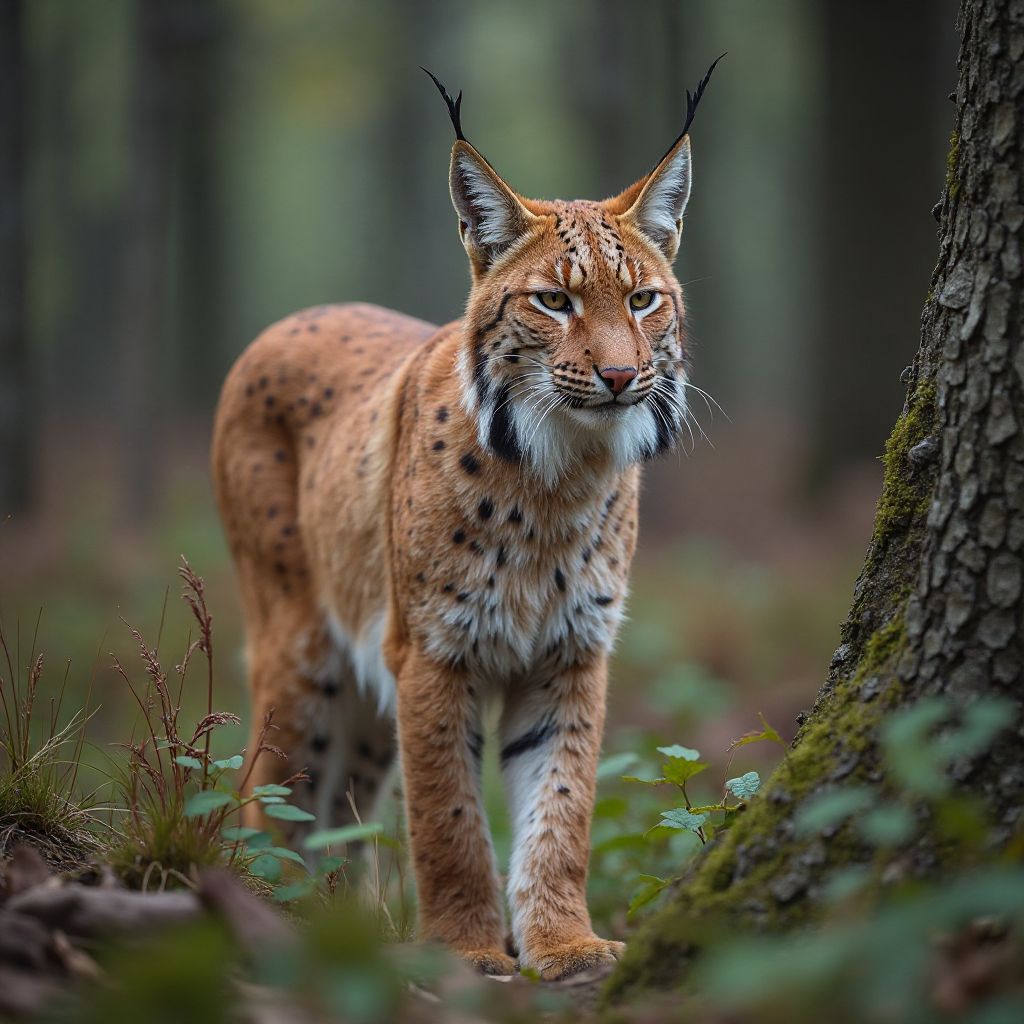
Carpathian Lynx Recovery
Through dedicated habitat protection and anti-poaching initiatives, we've contributed to a 27% increase in the Eurasian lynx population within Romania's Carpathian Mountain range. Our research-based conservation strategy included creating wildlife corridors between fragmented forest areas and implementing non-invasive monitoring techniques that provide crucial data without disturbing these elusive predators.
Working alongside local communities, we developed educational programs that highlighted the ecological importance of lynx and other large carnivores, transforming former opponents into conservation allies. This project demonstrates how scientific research, community engagement, and habitat protection can combine to reverse the decline of threatened species.
Read the full case study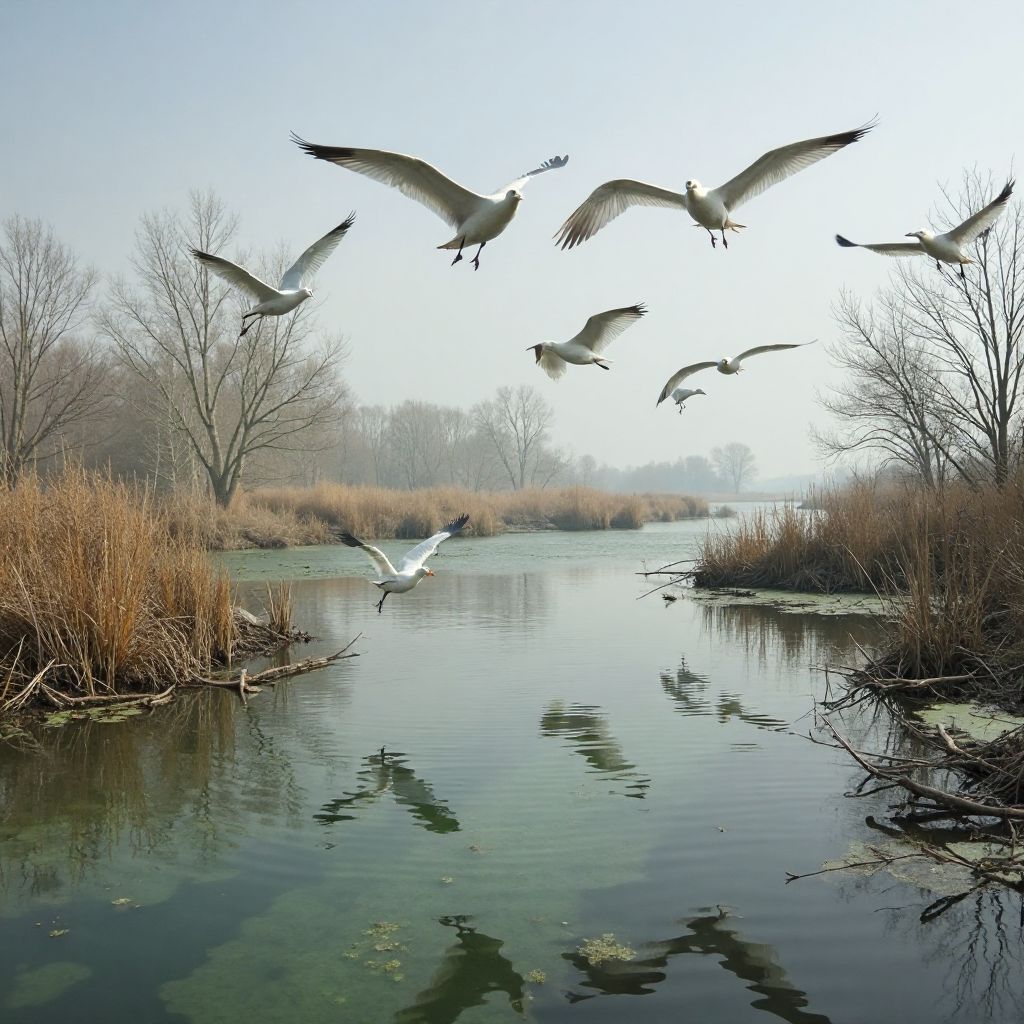
Danube Delta Restoration
Our five-year wetland restoration project has successfully rehabilitated over 2,000 hectares of degraded habitat in the Danube Delta, Europe's second-largest wetland system. By reestablishing natural water flow patterns and removing invasive species, we've created conditions that support the return of native aquatic plants and the wildlife they sustain.
Water quality monitoring shows significant improvements, with increased oxygen levels and reduced pollution indicators. Bird surveys have documented the return of several rare species that had abandoned the area, including the glossy ibis and ferruginous duck. This project showcases how ecological understanding can guide effective ecosystem restoration, even in complex and sensitive environments.
Read the full case studyWhat People Say
Feedback from partners, researchers, and communities about our ecological work.

Dr. Elena Popescu
University of Cluj-Napoca
"EcoRomania's research methodologies set the standard for ecological studies in Eastern Europe. Their commitment to scientific rigor while maintaining practical conservation applications makes them invaluable partners in our joint research initiatives on Carpathian biodiversity patterns."

Mihai Dumitrescu
Mayor, Tulcea County
"The wetland restoration project led by EcoRomania has transformed not just our local ecosystem, but also our community's relationship with nature. Their inclusive approach ensured that local knowledge was valued, and economic benefits of conservation were distributed fairly among residents."

Sarah Johnson
European Wildlife Foundation
"As an international partner, we've found EcoRomania's deep knowledge of local ecosystems invaluable. Their data-driven approach combined with sensitivity to socioeconomic factors creates conservation solutions that are both ecologically sound and sustainable in the Romanian context."
Latest News & Updates
Stay informed about our ongoing projects, research findings, and conservation milestones.
New Biodiversity Survey Launched
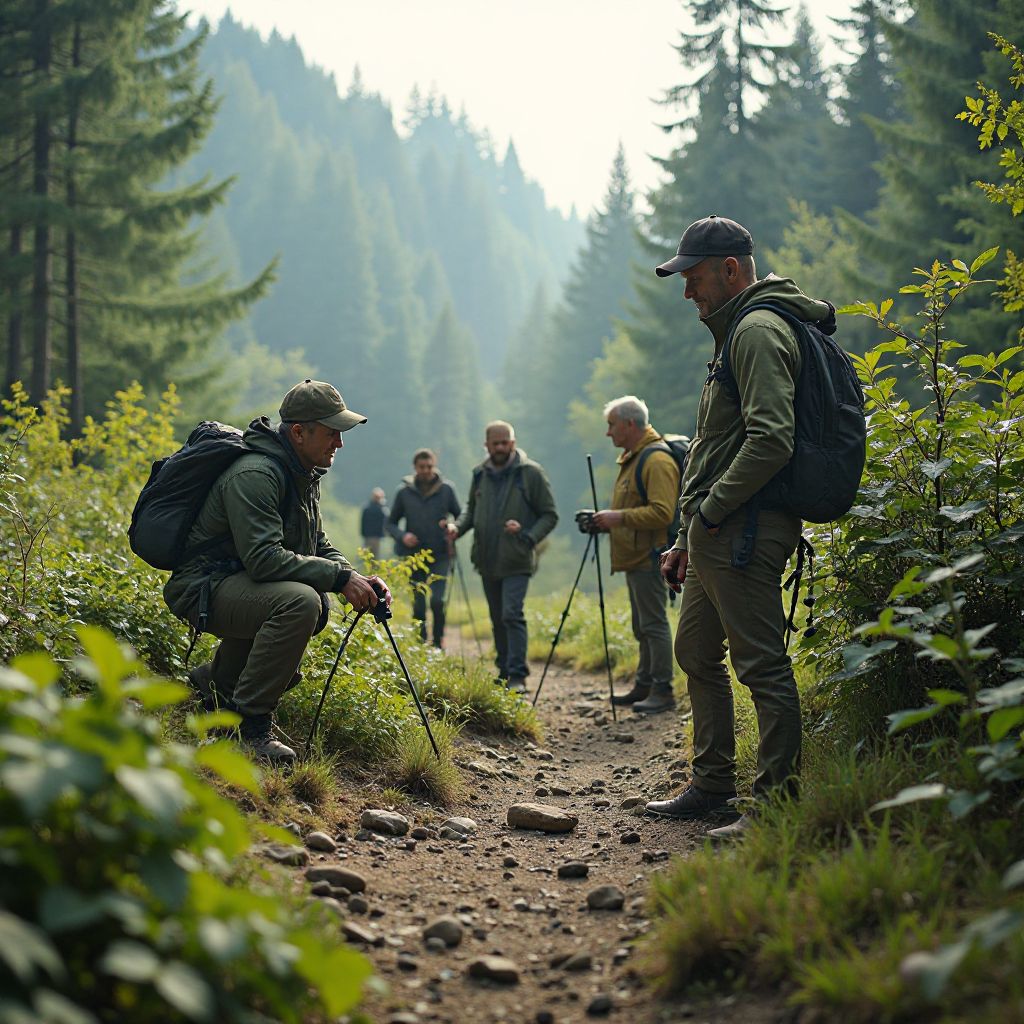
EcoRomania has initiated a comprehensive three-year biodiversity assessment in Retezat National Park, one of Romania's ecological treasures. This project will document plant and animal species using cutting-edge eDNA sampling techniques alongside traditional survey methods.
Read more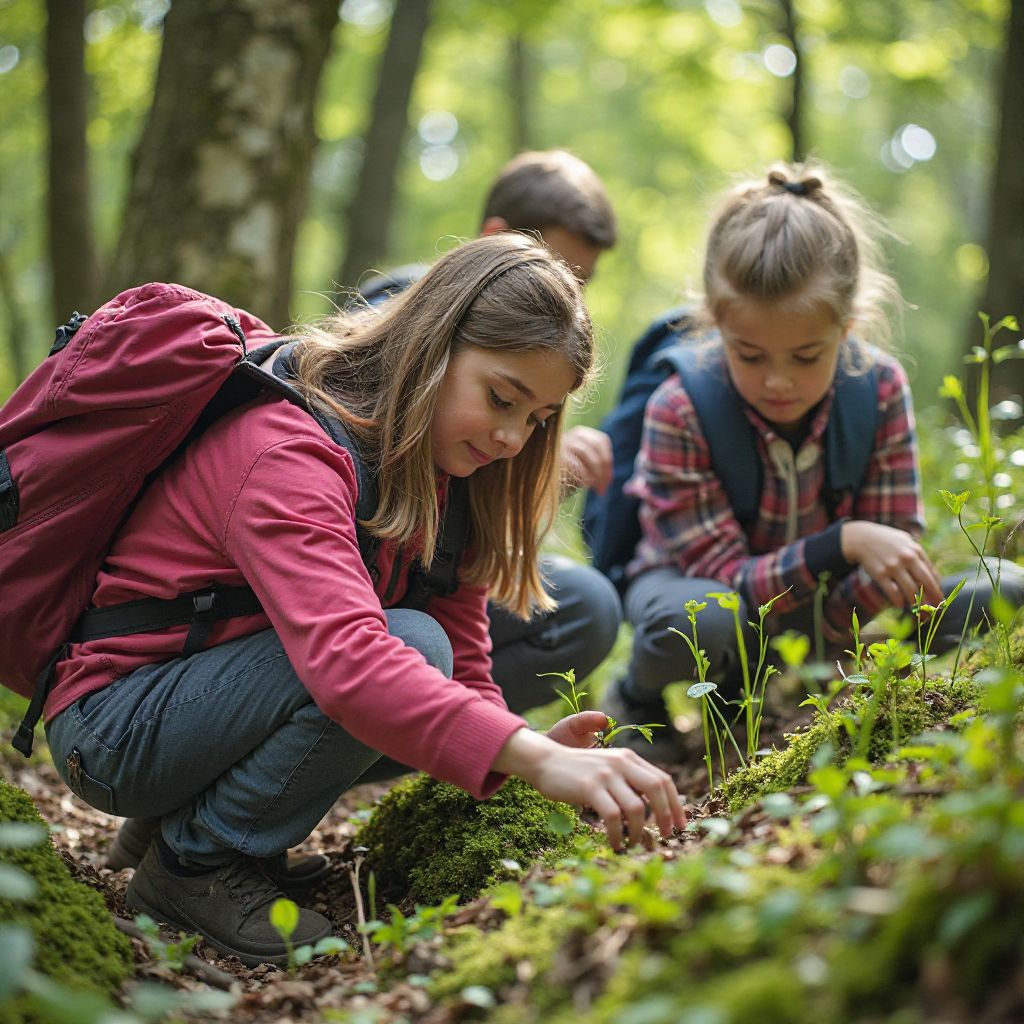
Major EU Grant Awarded
We're proud to announce that EcoRomania has secured a €2.5 million European Union grant to support our innovative work on climate change adaptation strategies for Romanian mountain ecosystems. This funding will enable expanded research on vulnerable alpine species.
Read more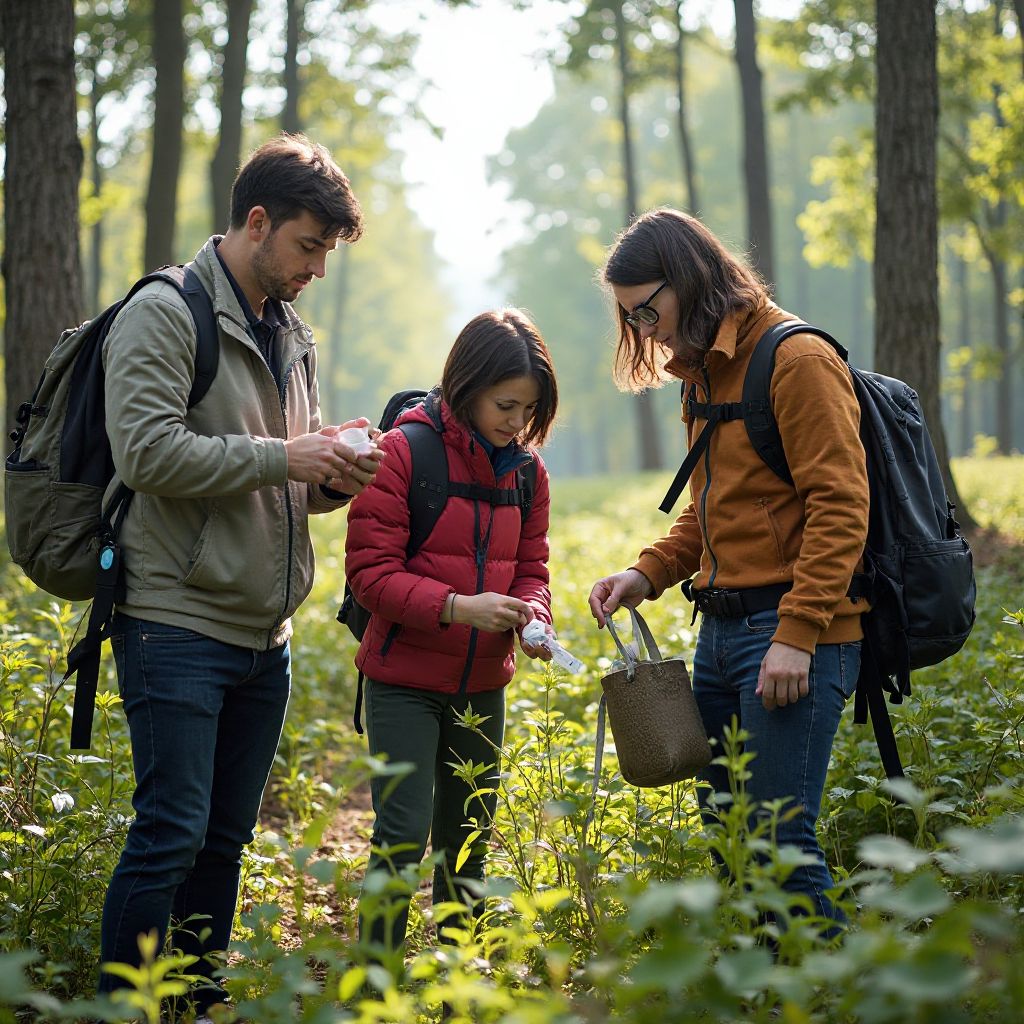
Citizen Science Initiative
EcoRomania has launched "Nature Observers," a nationwide citizen science program that invites Romanians to contribute to biodiversity monitoring through a user-friendly mobile app. The initiative aims to collect valuable data while fostering public engagement with conservation.
Read moreUpcoming Events
Join us for field excursions, workshops, and presentations about Romanian ecology.
Carpathian Flora Workshop
A hands-on field workshop identifying native plant species in the Eastern Carpathians. Suitable for both beginners and experienced naturalists.
Danube Delta Bird Watching Tour
Guided expedition through the Danube Delta to observe and document migratory and resident bird species. Equipment and transportation provided.
Conservation Science Symposium
Annual scientific conference presenting the latest research on Romanian ecology and conservation challenges. Open to researchers, students, and conservation professionals.
Frequently Asked Questions
Common inquiries about our ecological research and conservation work.
There are several ways to get involved with our ecological research efforts:
- Join our citizen science initiatives, which are open to participants of all experience levels. Our "Nature Observers" program is particularly accessible for beginners.
- Volunteer for field research assistance during specific projects. These opportunities typically require some background in biology, ecology, or environmental science.
- For students and early-career scientists, we offer internships and research assistantships throughout the year.
- Professional researchers can explore collaboration opportunities by contacting our research department directly.
All current opportunities are listed on our website under the "Get Involved" section, and we announce new openings through our newsletter and social media channels.
Romania faces several ecological challenges, with these ecosystems being particularly vulnerable:
- Old-growth forests: Romania's ancient Carpathian forests are under threat from illegal logging and expanding infrastructure. These forests host exceptional biodiversity and provide crucial habitat for large carnivores like bears and wolves.
- Freshwater systems: Rivers, streams, and wetlands face pressures from pollution, hydropower development, and water extraction. The unique aquatic ecosystems of the Danube and its tributaries support numerous endemic species.
- Alpine habitats: High mountain ecosystems are especially vulnerable to climate change, with shifting temperature and precipitation patterns affecting specialized plant and animal communities.
- Traditional agricultural landscapes: The biodiverse meadows and pastures maintained through traditional farming practices are disappearing as agricultural methods modernize or land is abandoned.
Our research and conservation efforts prioritize these threatened ecosystems while working to develop sustainable solutions that balance human needs with ecological preservation.
EcoRomania maintains a diverse funding structure to support our research and conservation initiatives:
- Research grants: We regularly secure competitive funding from national and European research councils, as well as specialized environmental grant programs.
- Conservation partnerships: We collaborate with international conservation organizations, corporations with sustainability commitments, and government agencies on specific projects.
- Private donations: Individual supporters contribute significantly through our donation program, with options for general support or funding specific initiatives.
- Eco-tourism: Our educational field tours and specialized ecological excursions generate revenue while promoting environmental awareness.
- Consulting services: We provide environmental impact assessments and ecological consulting to organizations committed to sustainable practices.
This diversified approach ensures our financial stability and independence while allowing us to maintain the highest standards of scientific integrity in our research.
Romania hosts remarkable biodiversity with several notable species:
- Europe's largest populations of brown bears, wolves, and lynx inhabit the Carpathian Mountains, representing critical genetic reservoirs for these carnivores.
- The Carpathian chamois (Rupicapra rupicapra carpatica) is a subspecies of mountain goat endemic to Romania's high mountains.
- In the Danube Delta, the ecosystem supports over 300 bird species, including globally rare ones like the Dalmatian pelican and pygmy cormorant.
- Romanian meadows host exceptional plant diversity, with up to 60 species per square meter in some traditional hay meadows—among the world's richest grassland ecosystems.
- Several endemic insect species exist in Romania's cave systems, particularly in the karst regions of the Western Carpathians.
These unique species highlight Romania's importance as a biodiversity hotspot within Europe and underscore the value of our conservation efforts.
Contact Us
Reach out to learn more about our ecological research or to explore collaboration opportunities.
Contact Information
Address:
Strada Republicii 112, Timișoara, Jud. Timiș, Romania
Phone:
+40 0735284719
Email:
Office Hours:
Monday - Friday: 9:00 AM - 5:00 PM
Innovation in Ecological Research
Pioneering new approaches to understanding and protecting Romania's natural environments.
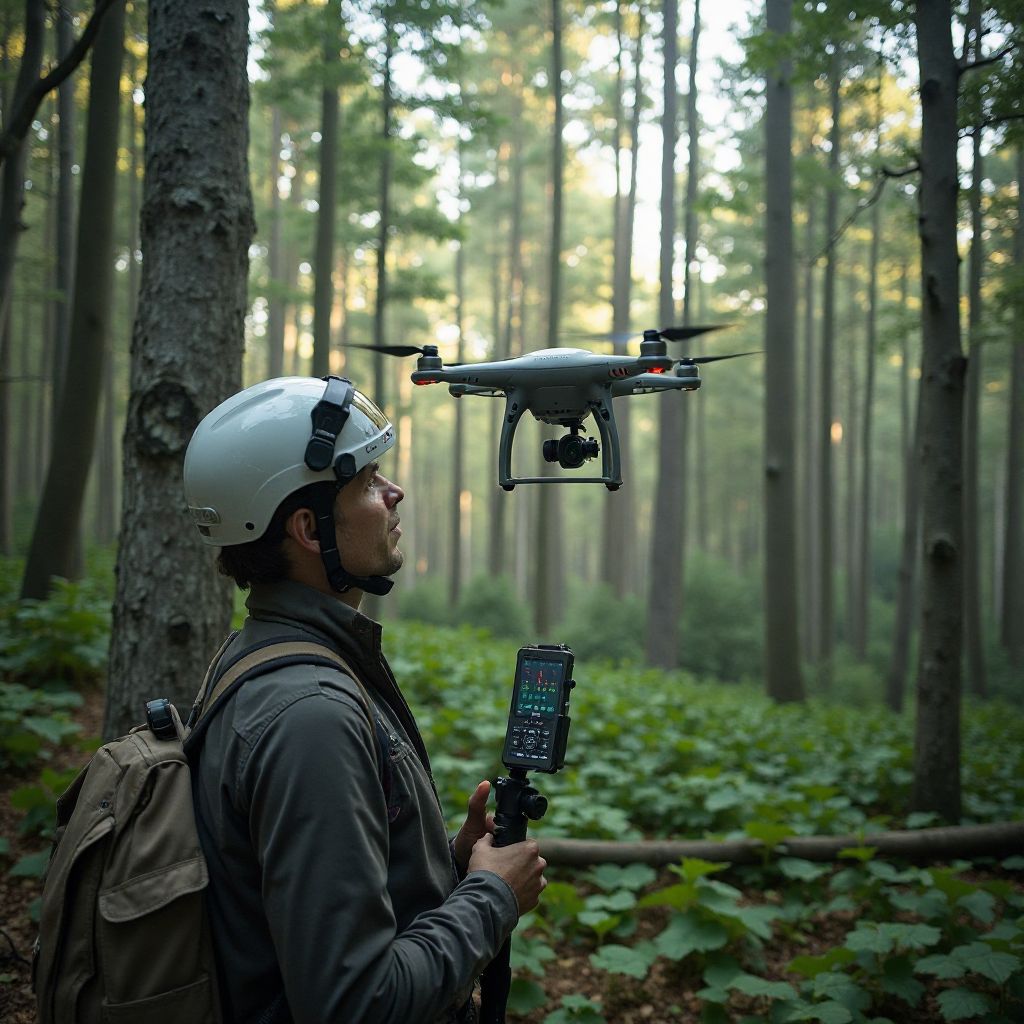
Aerial Monitoring Systems
Our custom-developed drone technology creates detailed 3D models of forest canopies, allowing us to monitor tree health, detect illegal logging, and assess biodiversity patterns without disturbing sensitive habitats. This approach has revolutionized our ability to study large forest tracts efficiently.
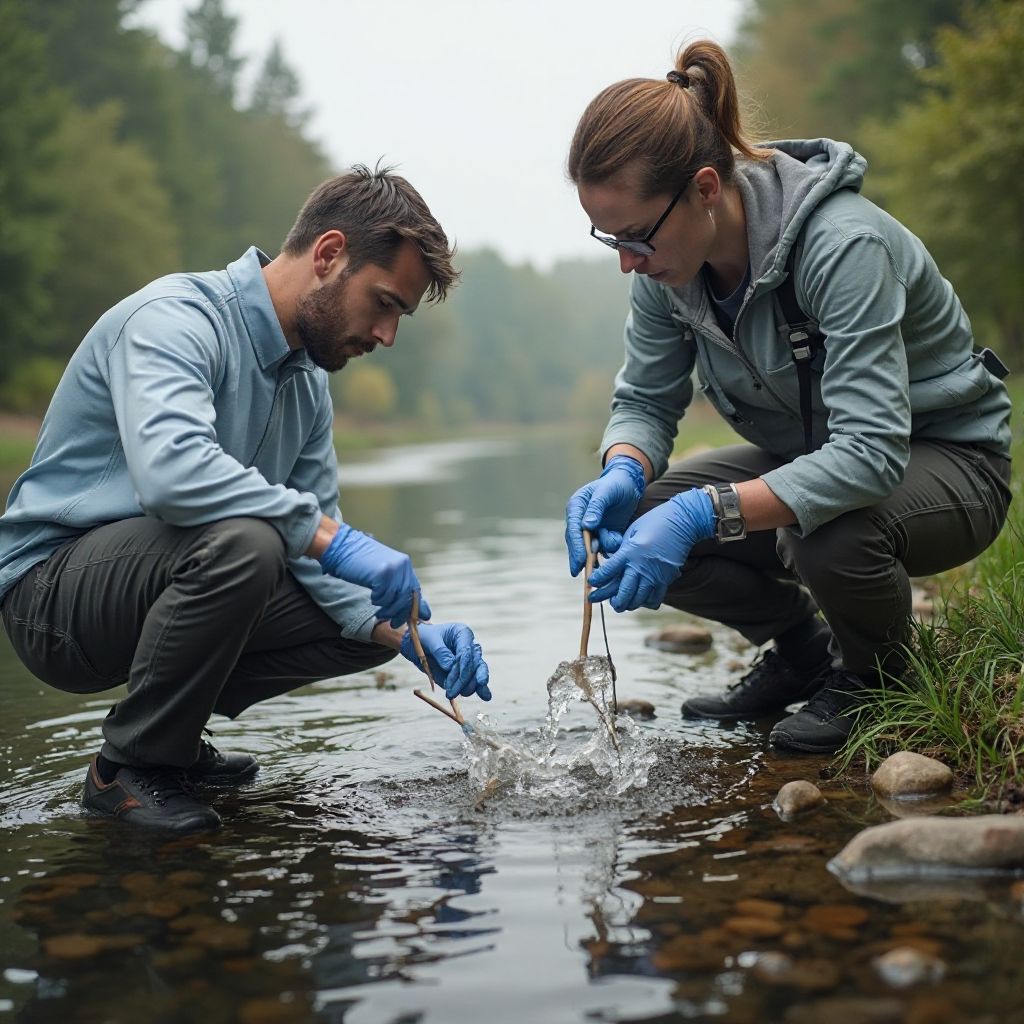
Environmental DNA Analysis
Our pioneering work with environmental DNA (eDNA) allows us to detect species presence from water or soil samples. This non-invasive technique has revealed previously undocumented aquatic species in the Danube system and helps us track elusive mammals without direct observation.
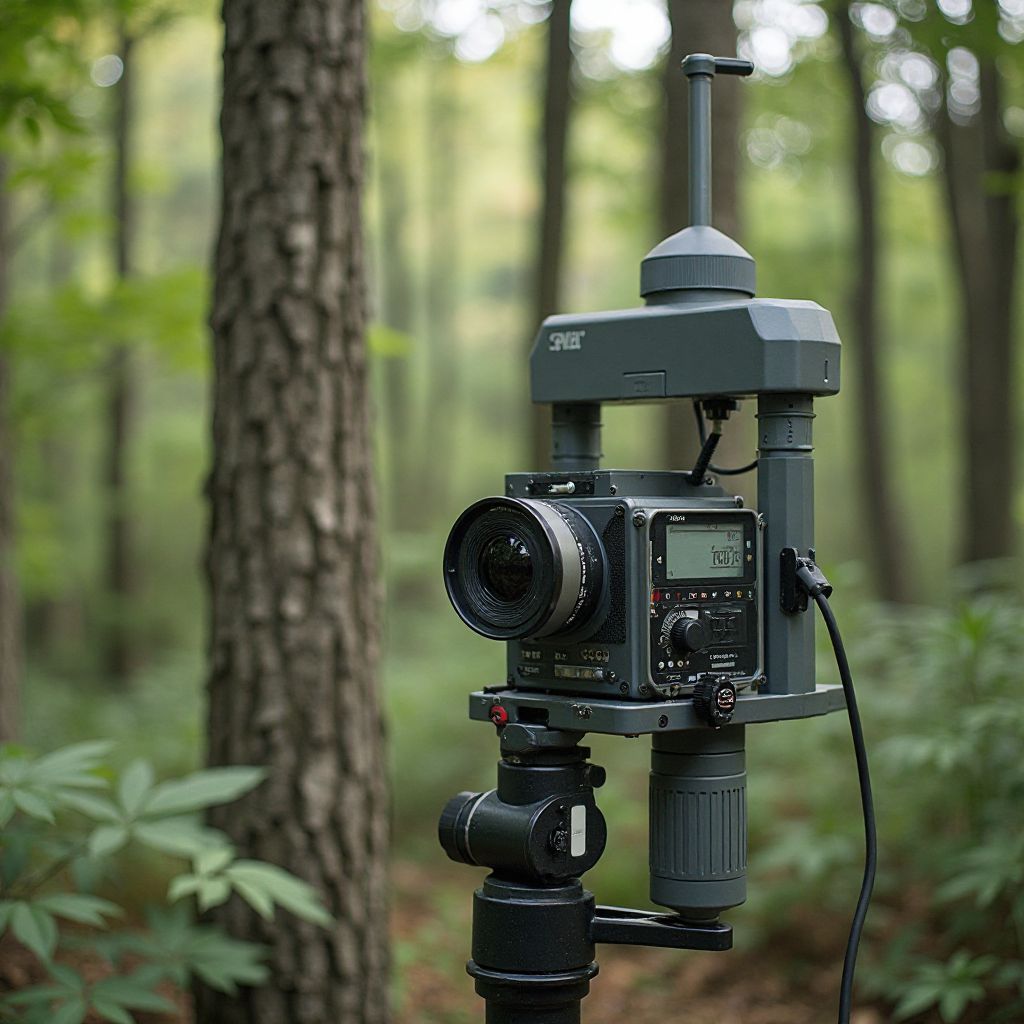
Acoustic Ecology Network
Our network of autonomous recording units throughout Romania's forests captures wildlife sounds 24/7. Using machine learning algorithms, we identify species from their calls, creating long-term datasets on biodiversity patterns and animal behavior that would be impossible to collect through traditional observation.
Our Partners
Collaborating with leading organizations to advance ecological research and conservation in Romania.